

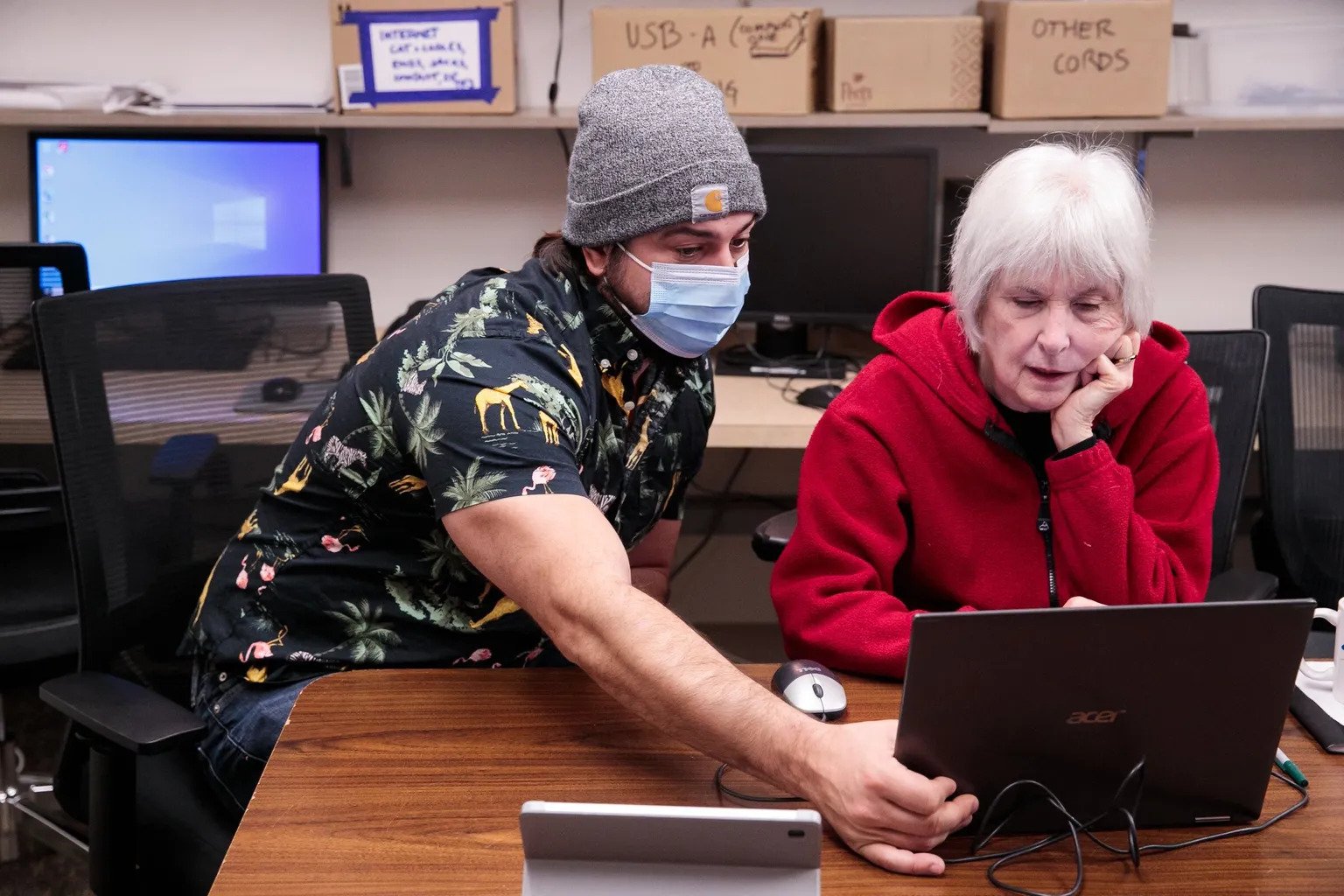
Sharon Price, 78, had been used to the routine of frequenting the Senior Center of West Seattle, attending neighborhood meetings and helping raise her three grandsons. But the pandemic stopped all that. At the same time, her husband developed dementia, which exacerbated her feeling of isolation.
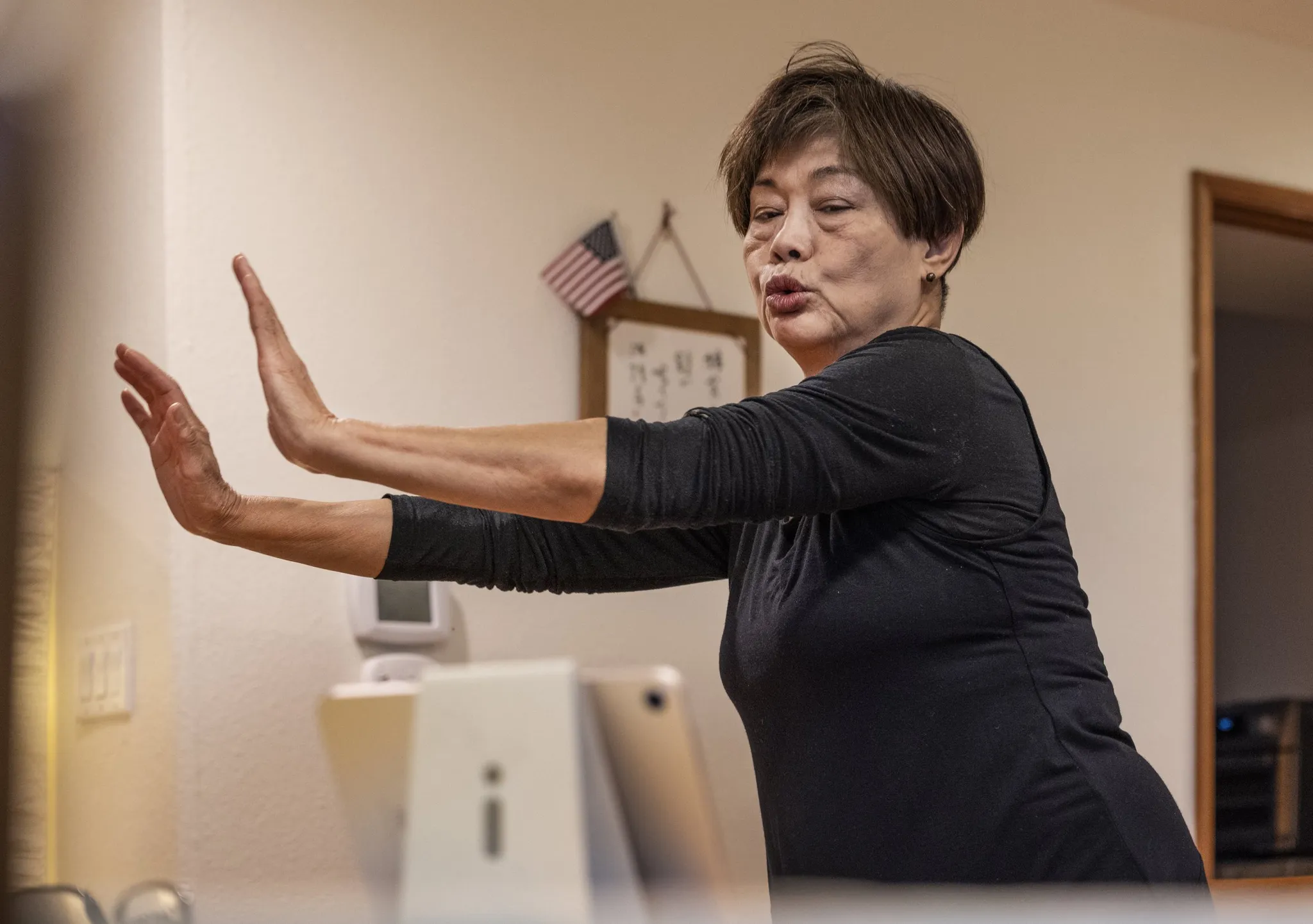
Eyes closed in concentration, Yuriko Ueda stretched her right hand above her head, swung her left hand toward the ground and pointed her chin at the sky.
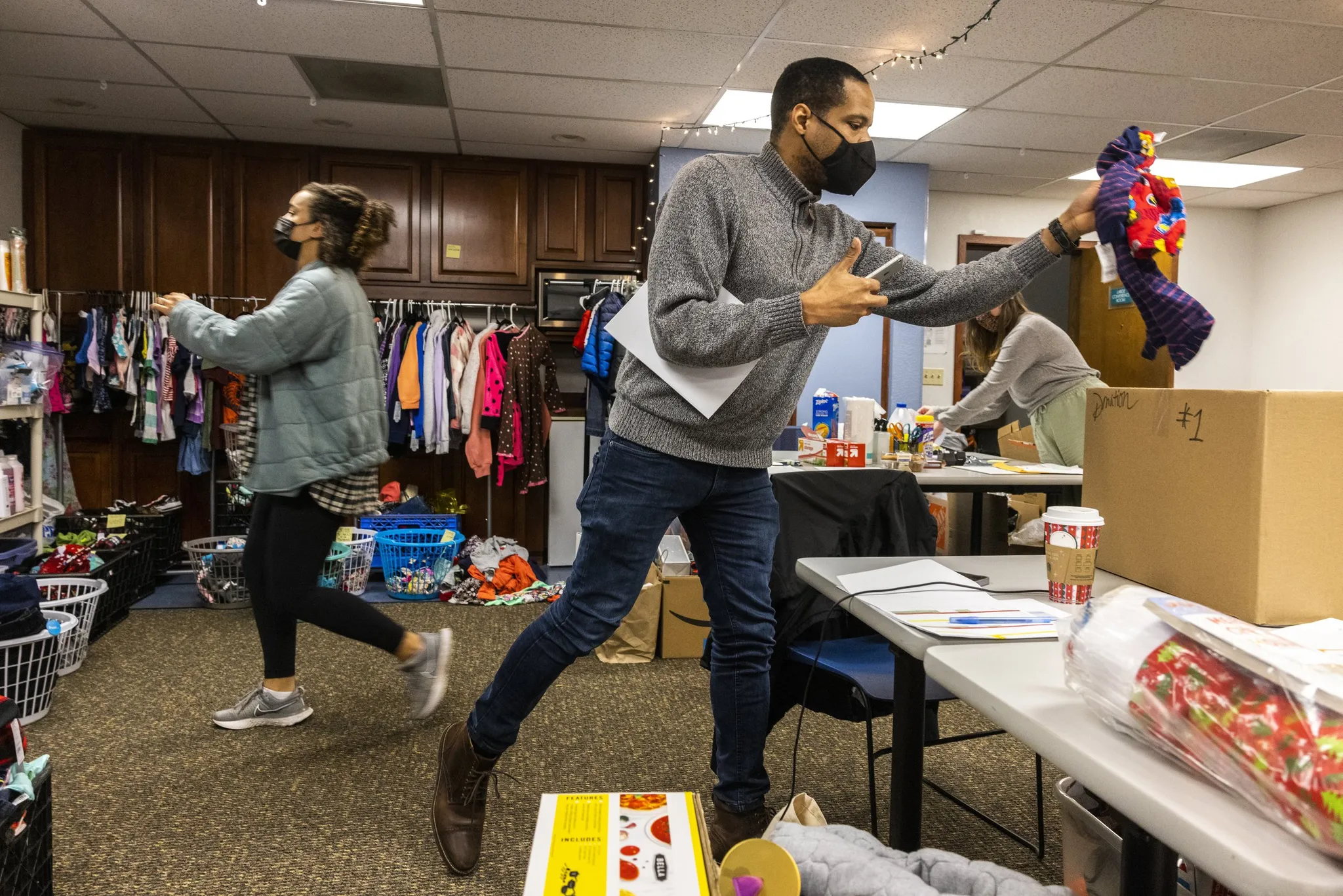
At the start of the holiday season – in a typical year – the Bellevue-based nonprofit LifeWire would invite dozens of people to pick out gifts for their kids and family. Survivors of domestic violence would browse shelves of donated clothes and toys, selecting items to gift wrap for their loved ones.
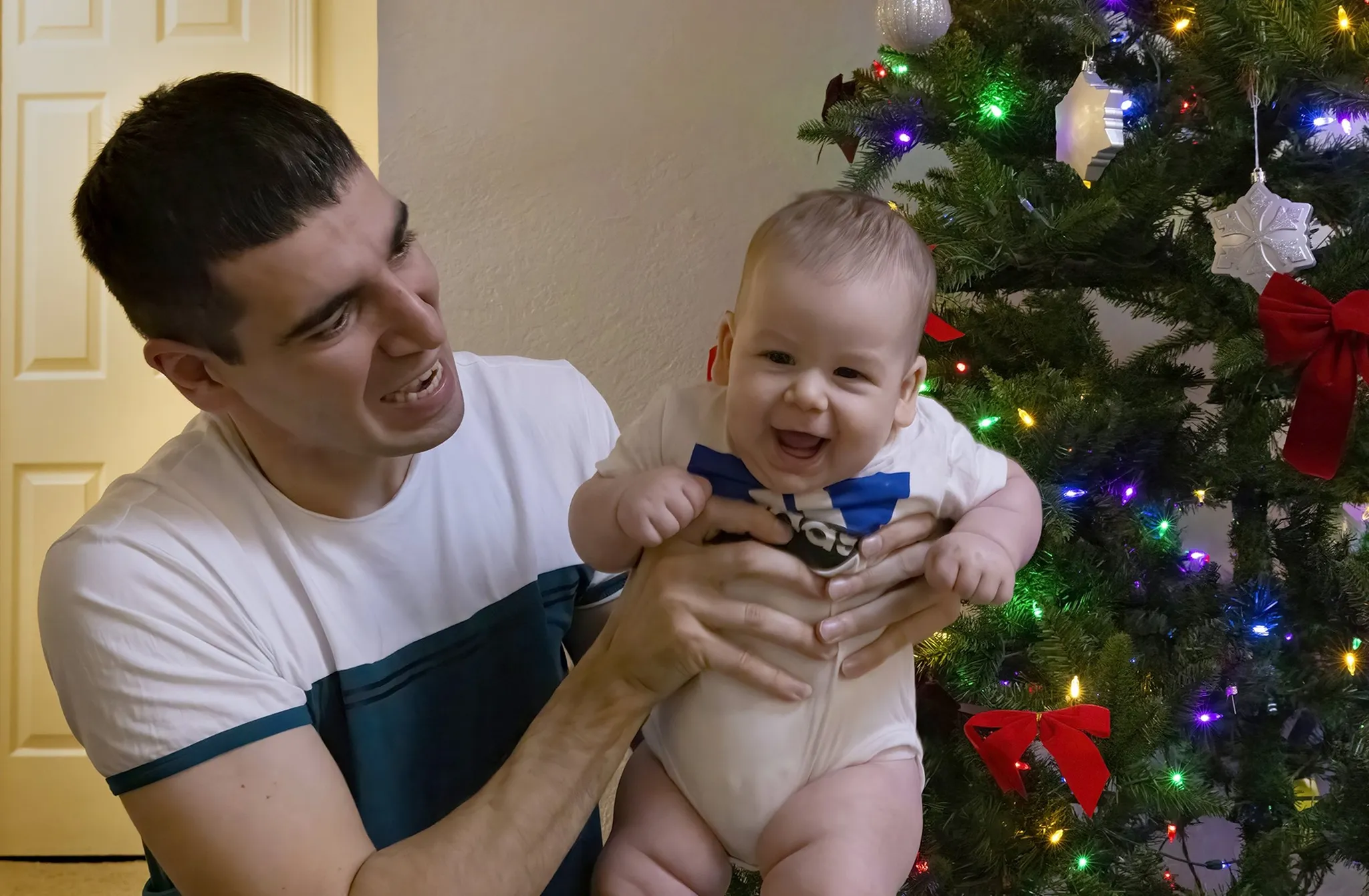
BOTHELL — Last year, Maxim and Aimani Isaev were surviving in a Kirkland motel after fleeing from Chechnya, reaching out to just about every organization imaginable for help with their asylum case. Aimani, 21, was pregnant for the second time, and the couple’s 2-year-old son had gradually stopped speaking.
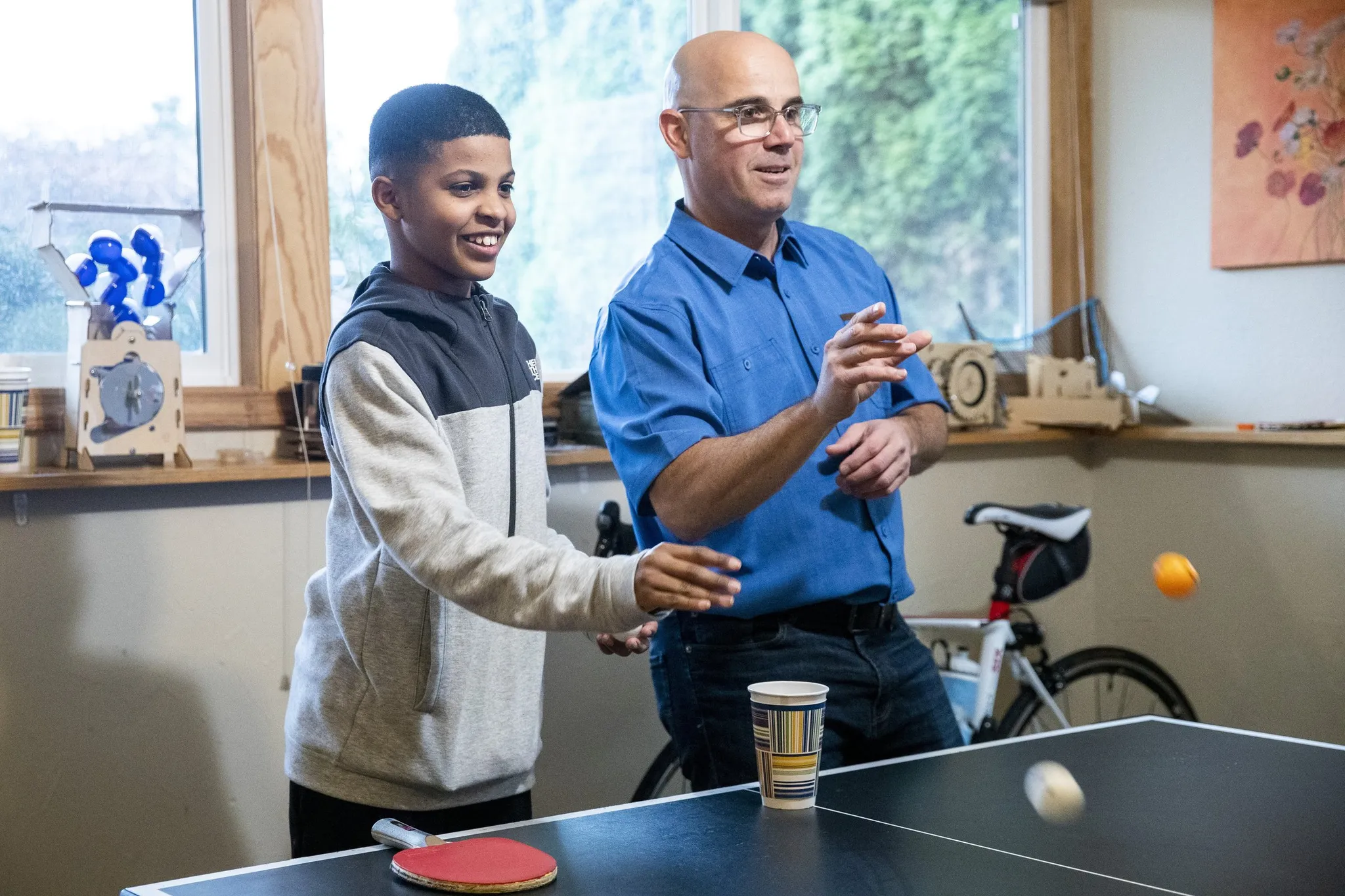
REDMOND — Sometimes, it’s about two guys putting together a gingerbread house kit. At age 11, a boy like Heaven Lowe is soaking up all those new experiences.
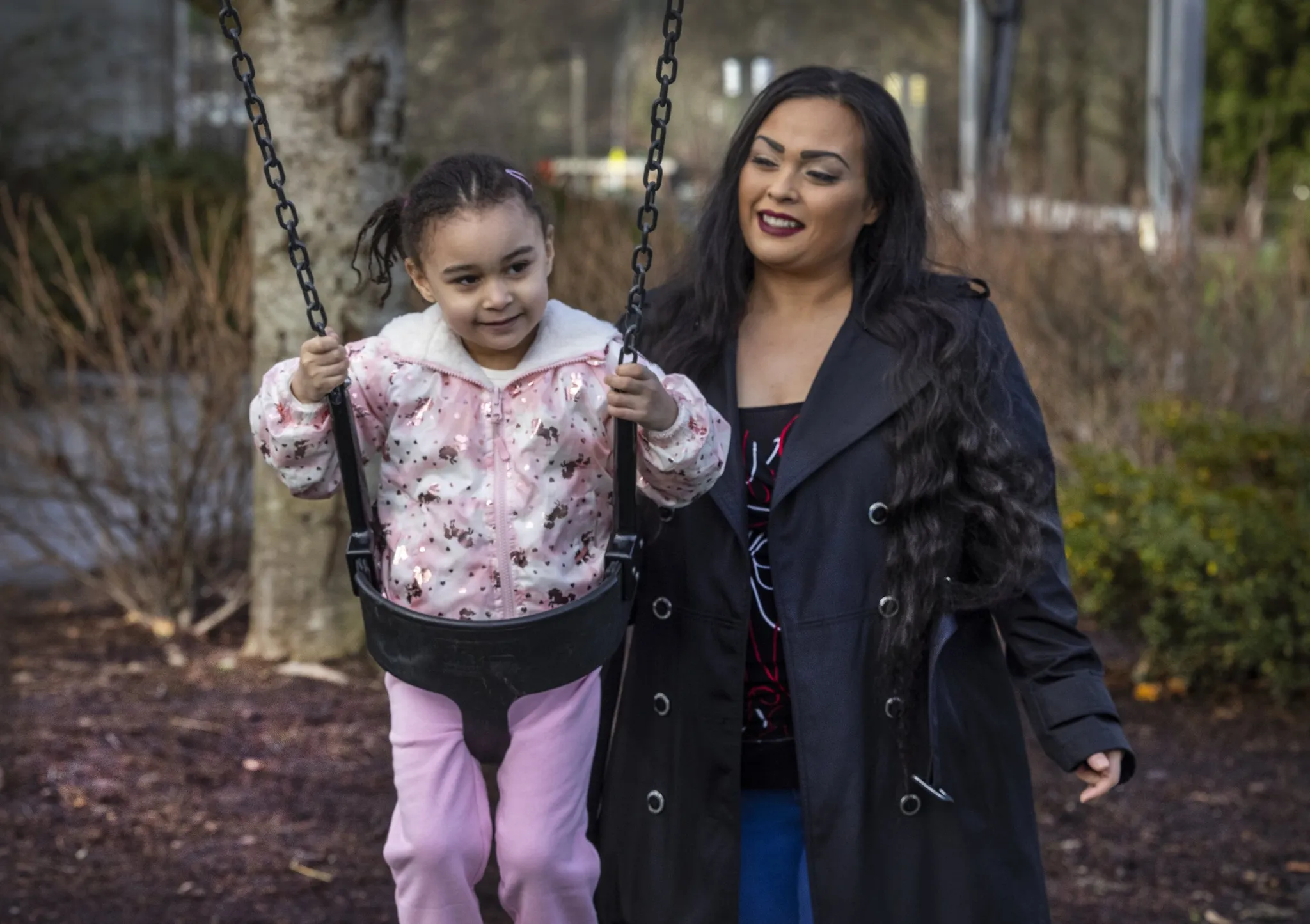
RENTON — Brittney Turner slept in her car for a year. A 2005 Kia.
She’d take night shifts at work so that she’d feel just a little more comfortable, a little more secure, in her car during the daytime.
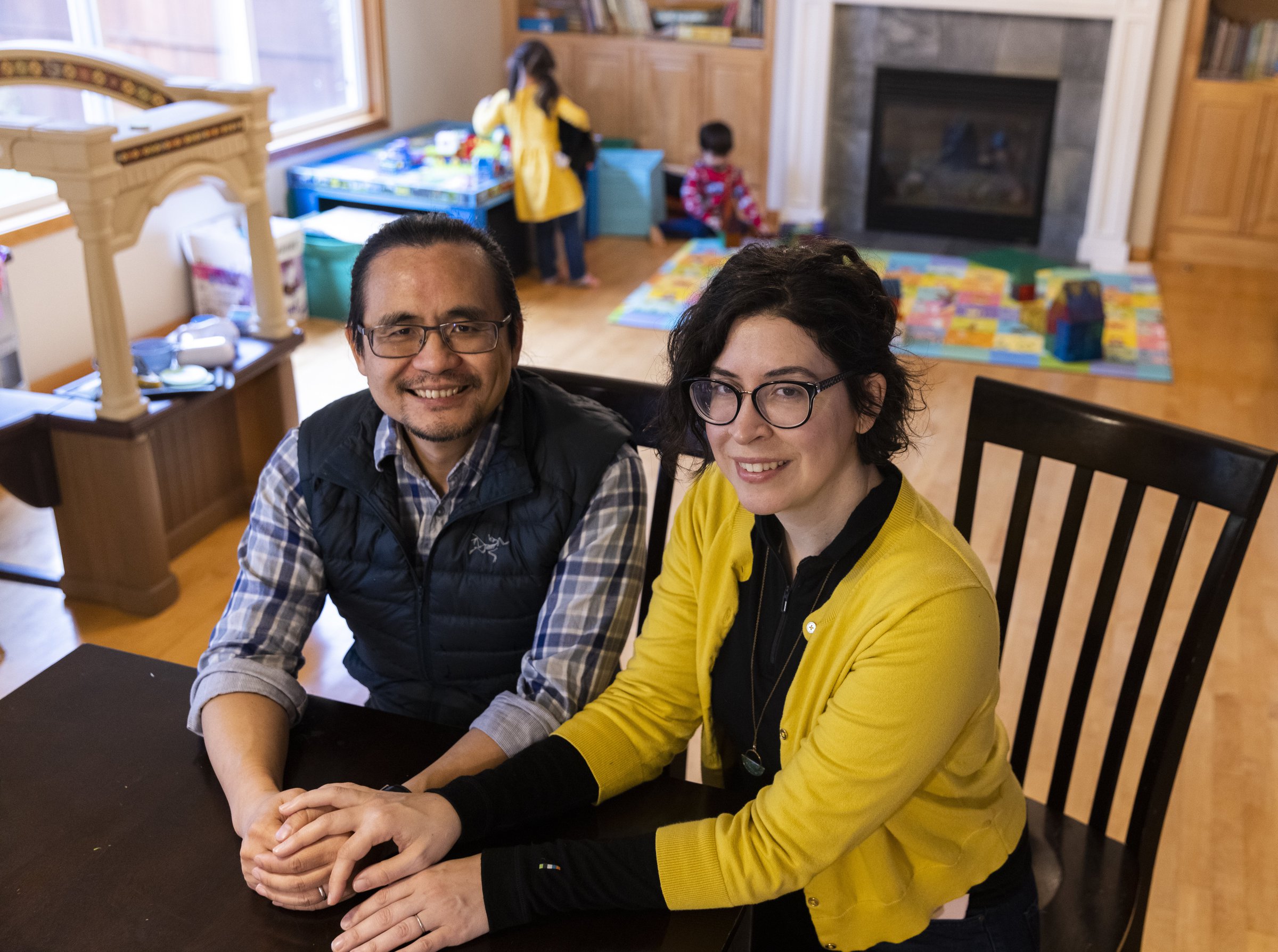
Sheri Martin Chen’s toddler loves to draw, but a year or so ago, he developed a troubling new habit.
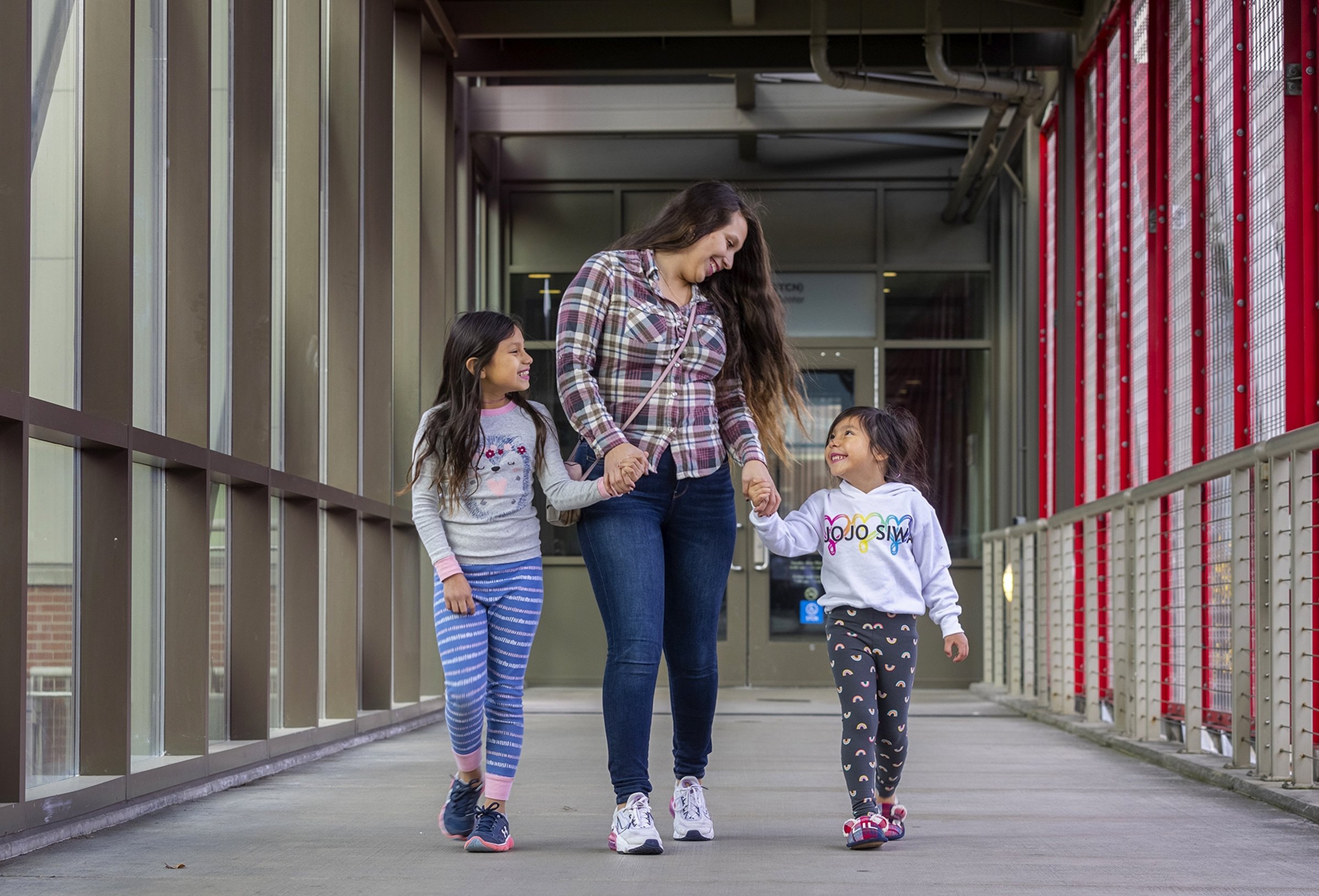
When Blandy Inzunza graduated from Ballard High School, she got a suitcase full of gifts: a raincoat, gift cards, other little things that “were all super meaningful,” Inzunza remembers, and one big thing, a laptop.
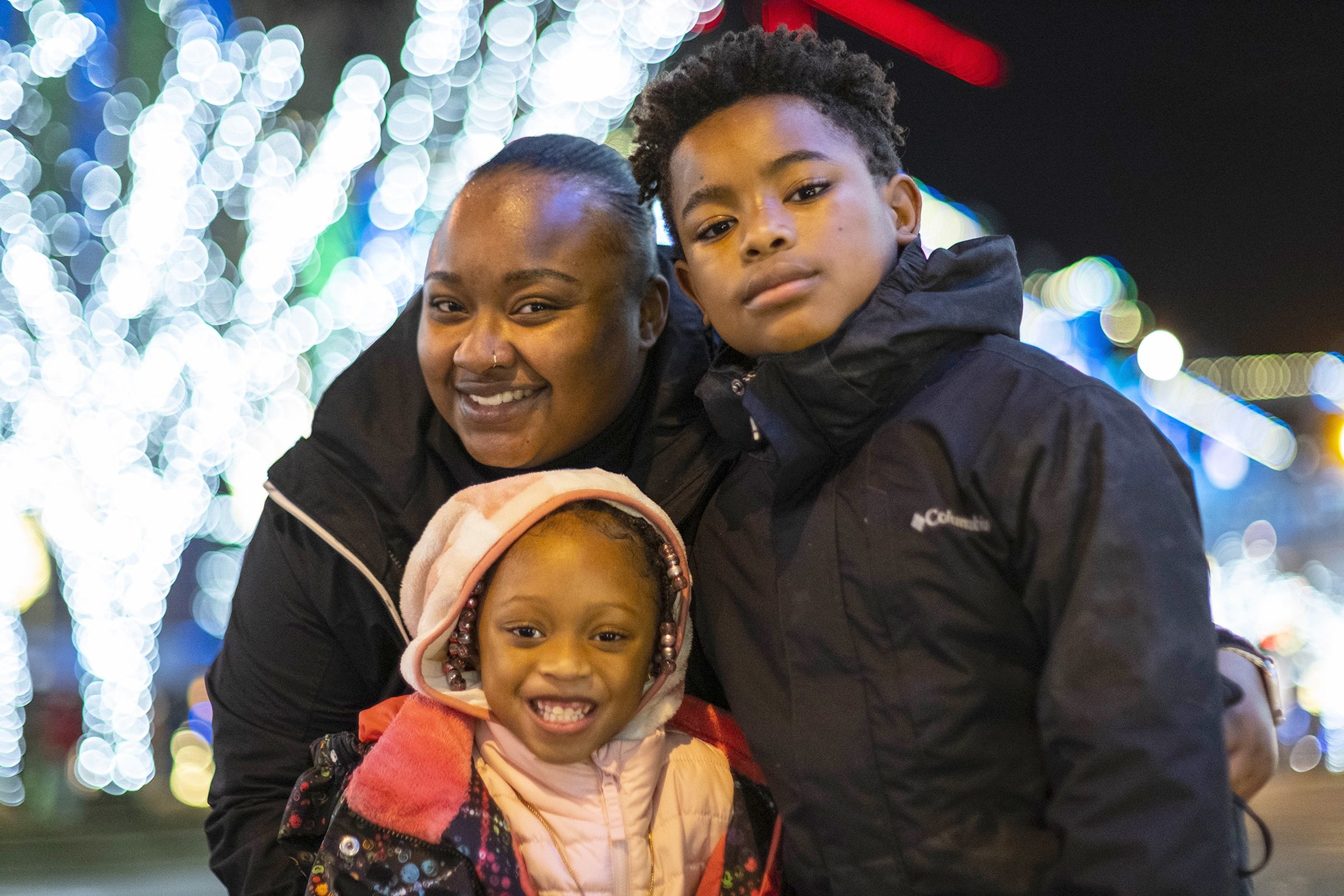
Seattle’s Central District is a lot different than it was when Denisha Dunston was growing up. The Red Apple grocery store, the gas stations she used to ride by, and the corner stores she used to walk to are all gone. The district, once majority Black, has been redeveloped and less than a third of its residents today are Black.
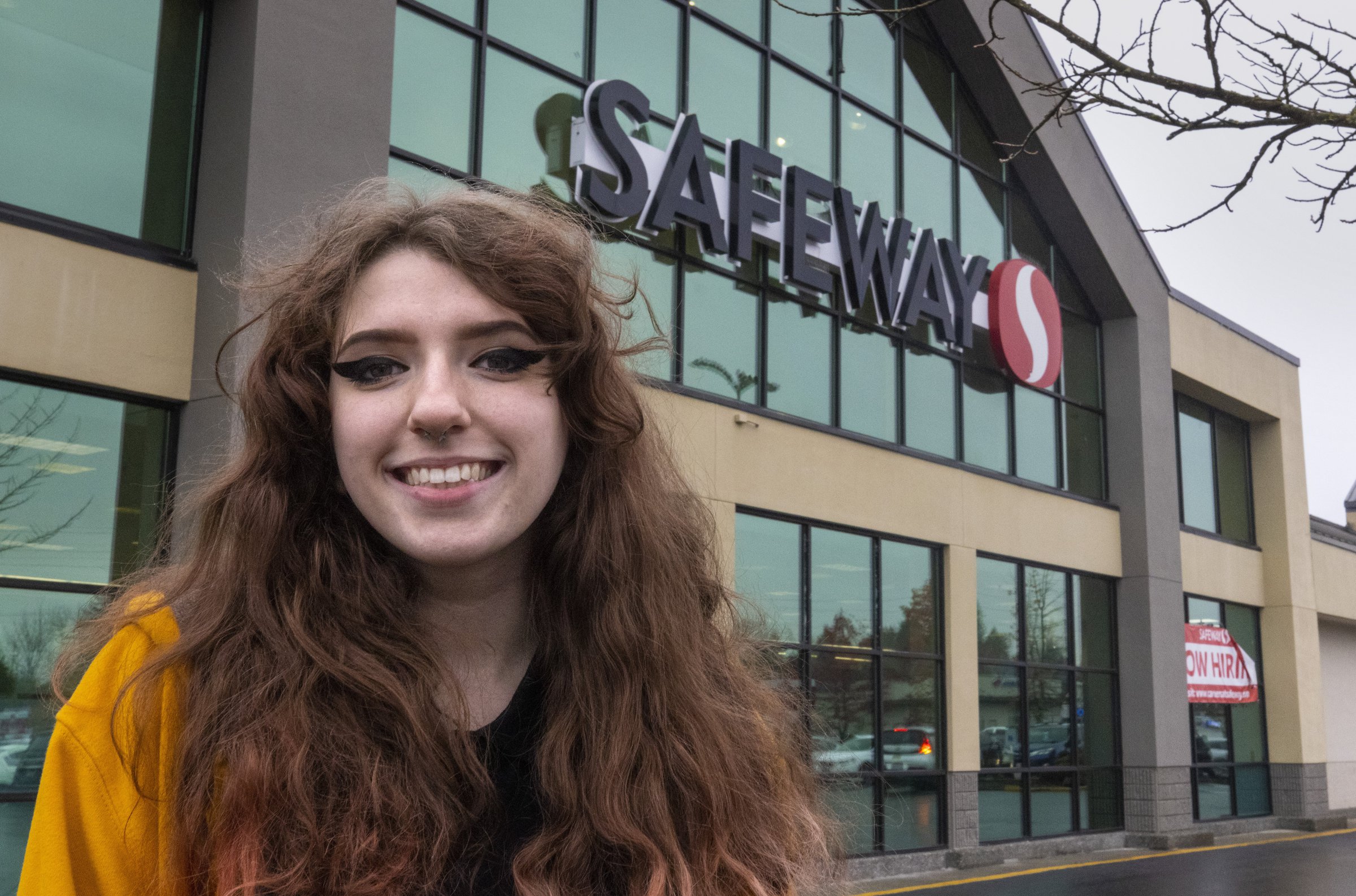
Anxiety and depression kept Nicole Keys from going into crowded and public places, like the grocery store, when she was in high school.