

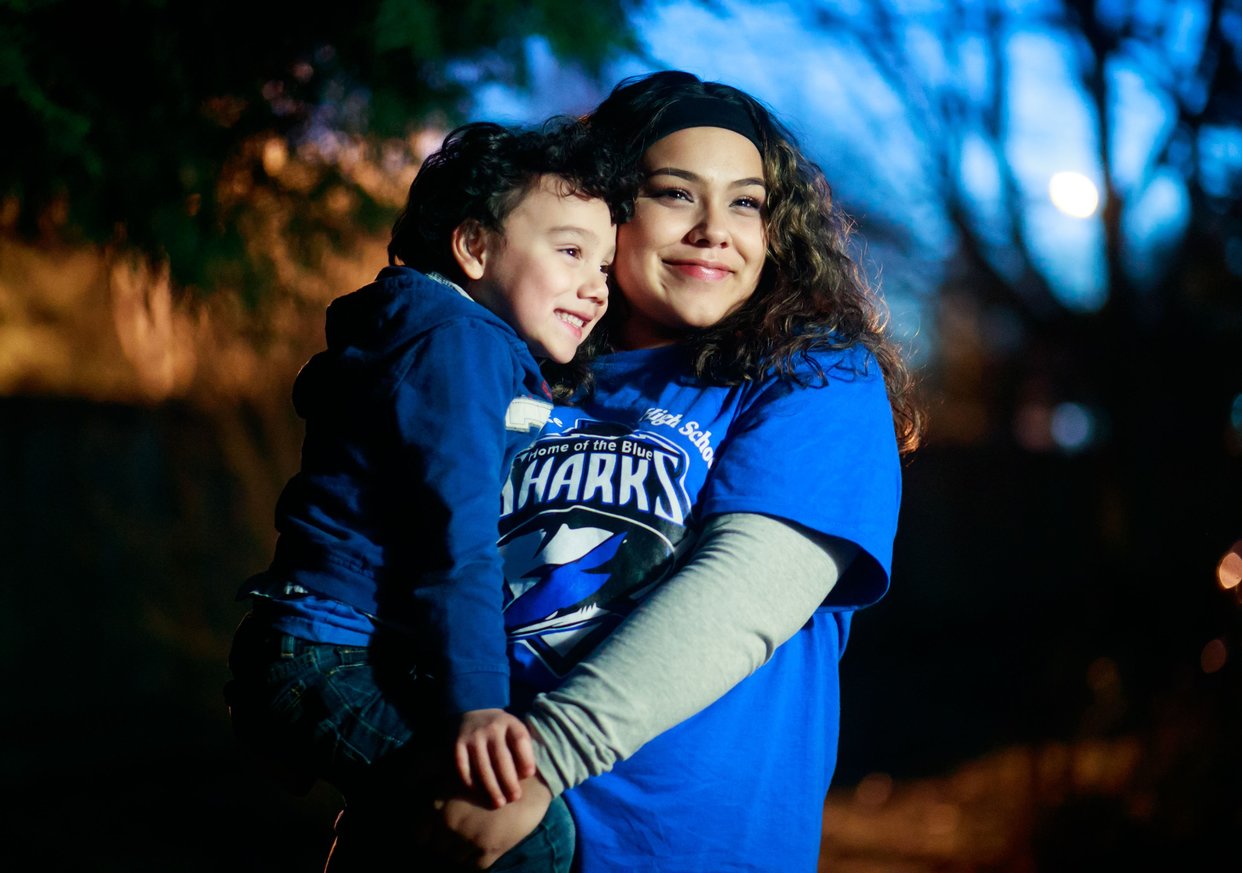
Everyone needs encouragement, even a bit of a push — and Gabriana Martinez-Garcia found both in a mentor at Atlantic Street Center, a nonprofit helped by The Seattle Times Fund For The Needy. “Atlantic Street helped me grow into adulthood,” she said.
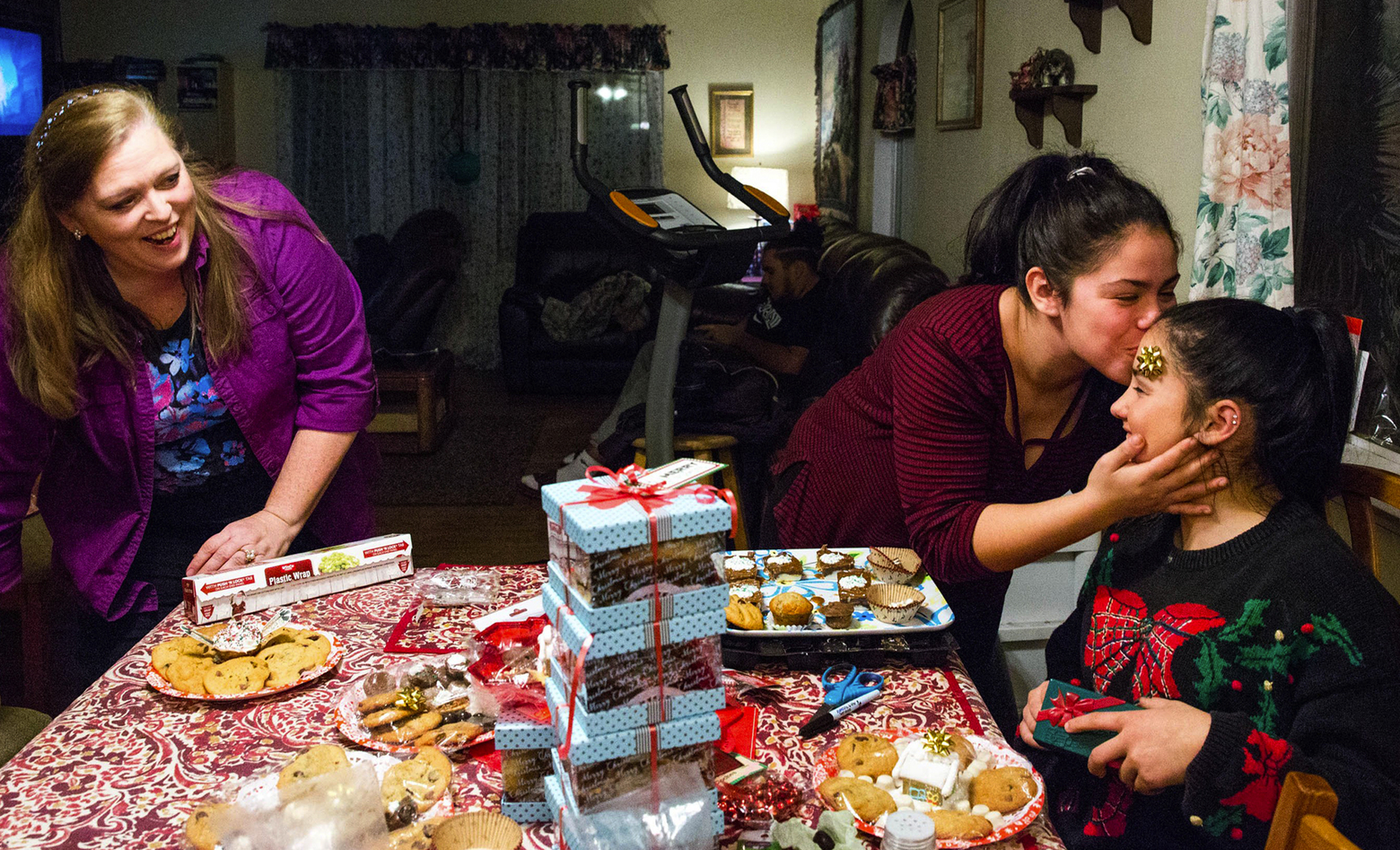
Treehouse went through a sea change when it realized its education program wasn’t good enough. Now, the foster kids it works with have a higher graduation rate than the state average for all students.
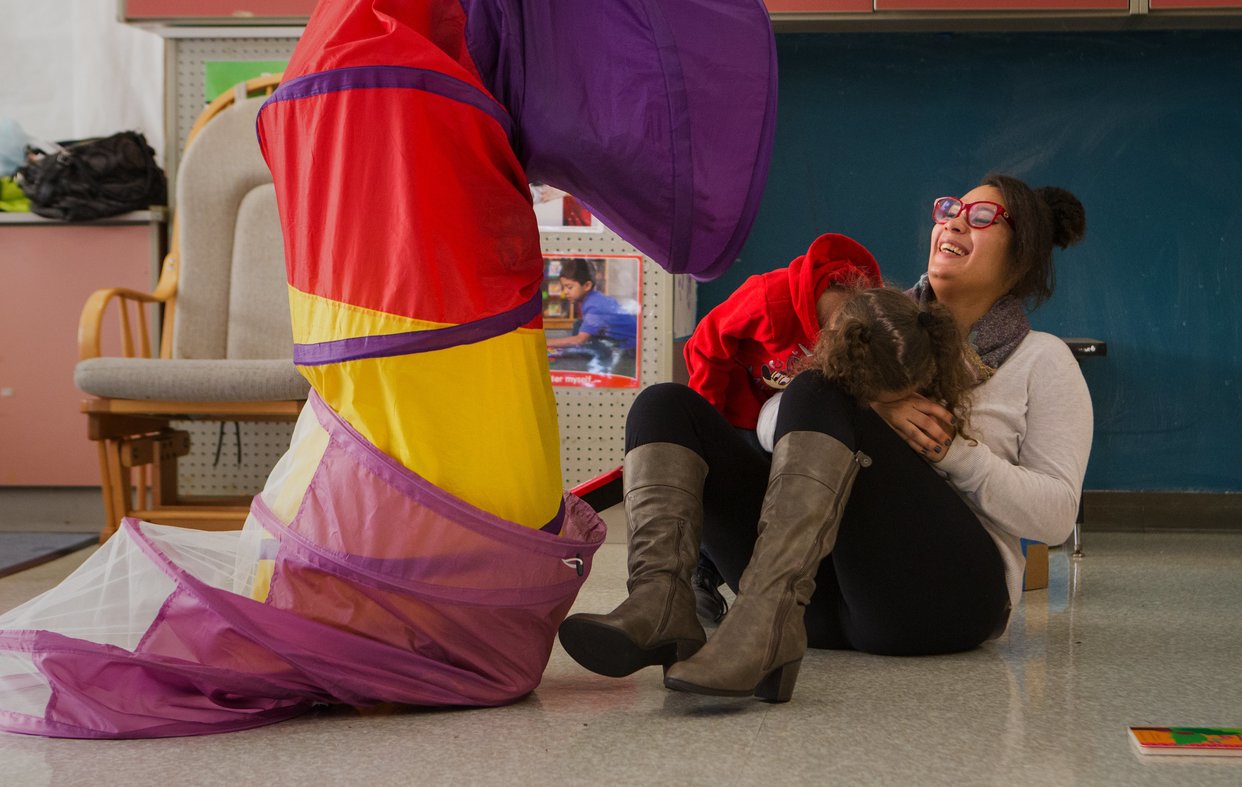
Thanks to therapy, safe classrooms and parental support at Childhaven, Duntika Washington and her kids have survived the effects of abuse and are living a stable, healthy life. Childhaven is one of 12 organizations that benefit from the annual Seattle Times Fund For The Needy.
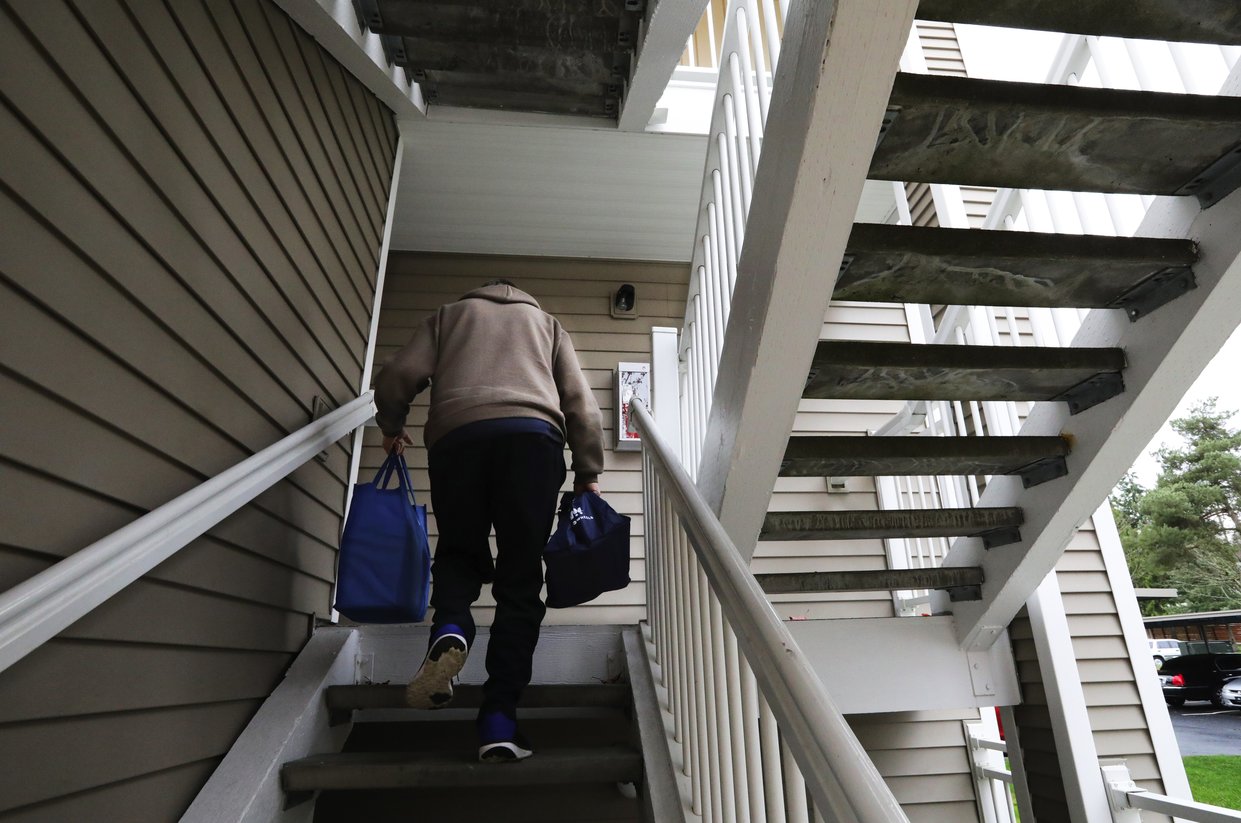
Paul Alexander is a retired bank-loan processor who’s done things right. But with a pension and Social Security bringing in not quite $26,000 a year, he still needs a little help. Enter Sound Generations. The local nonprofit supported by The Seattle Times Fund For The Needy fills in the gaps.

Powered by readers’ generosity, The Seattle Times Fund For The Needy has given more than $22M to local nonprofits — so we all can help one another. Here are two stories of making things better.
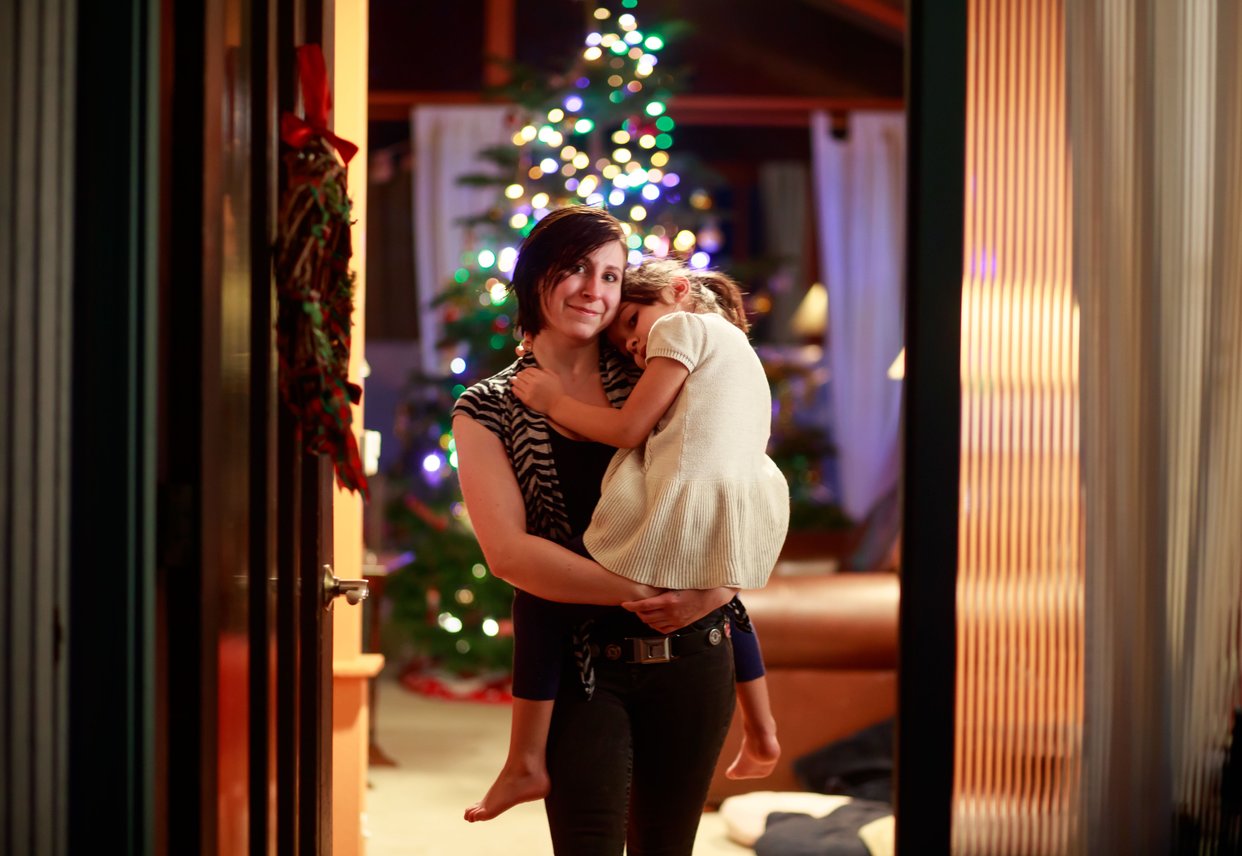
Youth Eastside Services helps children, youth and families suffering violence, emotional distress or substance abuse in East King County, Bellevue, Redmond and Kirkland.

“Bernhard has become like part of our family,” said Julia Taylor of her son Asa’s volunteer mentor for four years. “He just loves this country and he wants Asa to take advantage of things here.”
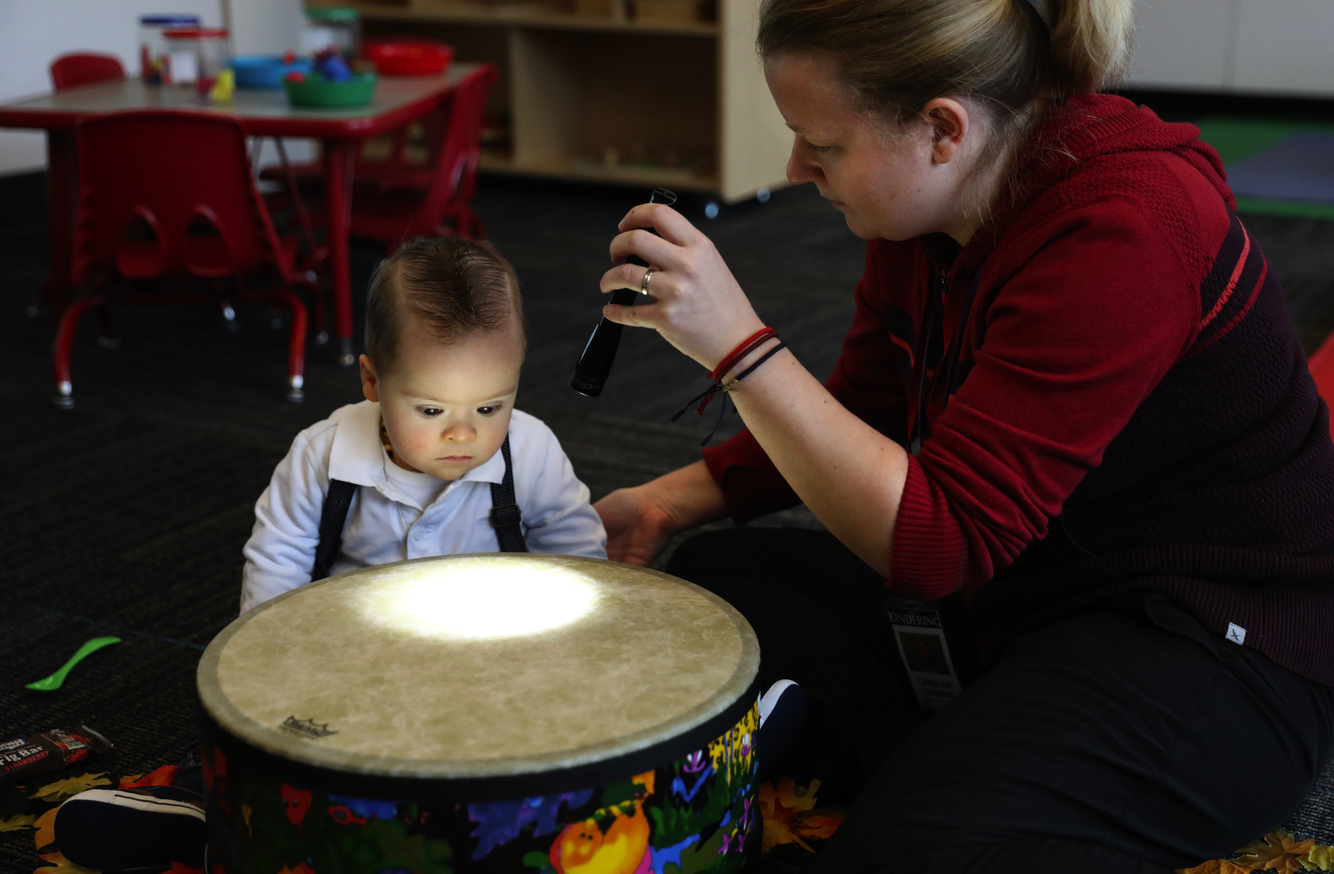
Founded in 1962 by moms with disabled children, Kindering now serves 4,000 families a year with science-based therapy. It has campuses in Bellevue, Bothell and Renton.

With her mother, a Vietnamese refugee, working seven days a week, Vy Tran found homework help, fun and mentors at Kent Youth and Family Services. The nonprofit, which benefits from your donations to The Seattle Times Fund For The Needy, helps thousands of families each year.
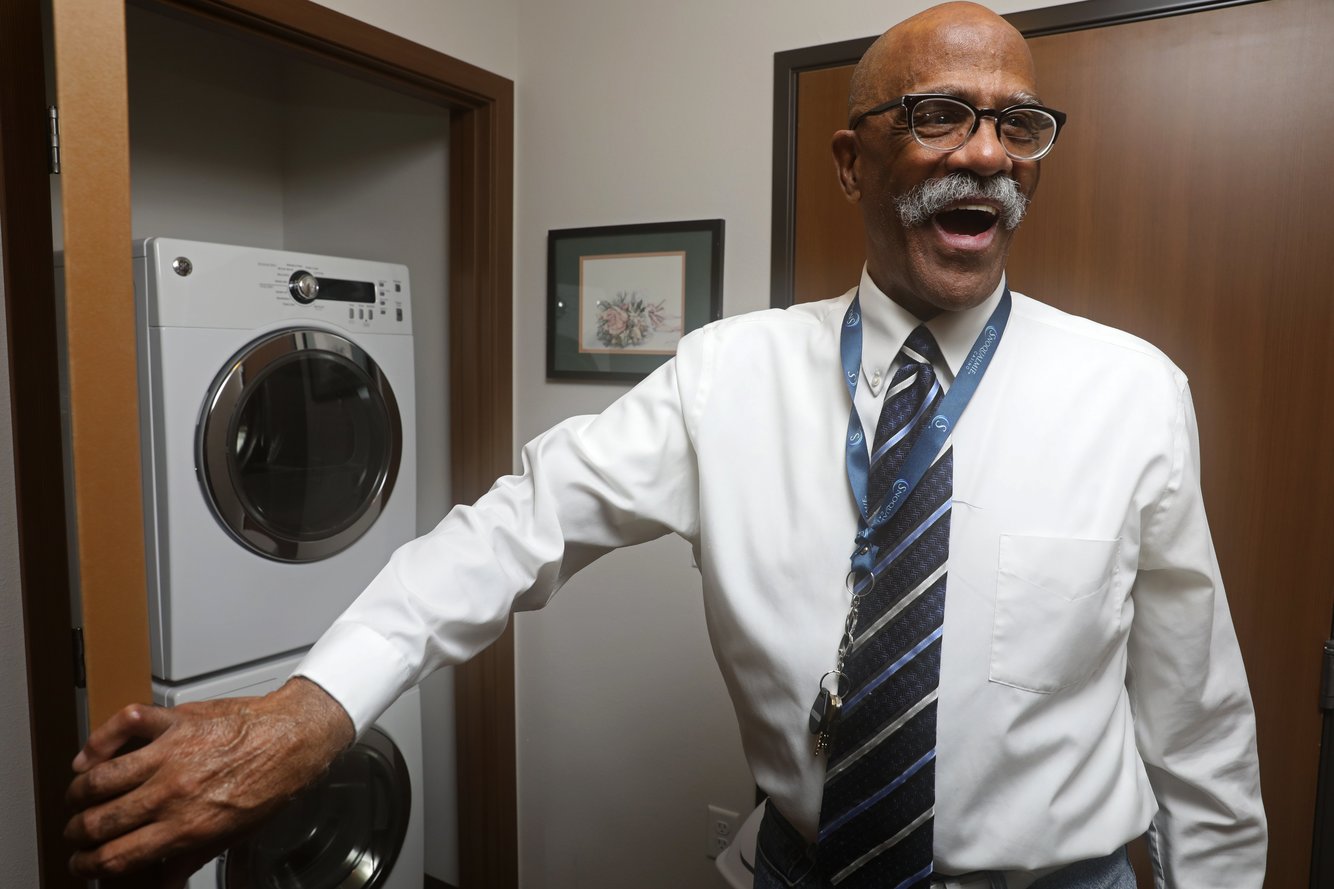
The Salvation Army steered Jack Coleman to a studio apartment in SeaTac that has met his needs and provided him a social setting he calls “family.”